Background
The UK Foreign, Commonwealth and Development Office (FCDO) is addressing the urgent and long-term needs of crisis-affected populations in Northeast Nigeria through its Humanitarian Assistance and Resilience Programme (HARP). This multi-year initiative provides life-saving humanitarian aid while supporting efforts to build resilience and promote local ownership of aid response. The programme is implemented in collaboration with United Nations agencies (UN agencies), International NGOs (INGOs), and National actors (NNGOs), with operations spanning the conflict-affected states of Borno, Adamawa, and Yobe (BAY).
HARP delivers a dual-focused response, meeting the immediate needs of vulnerable populations through the provision of food assistance, shelter, healthcare, and protection services, while also strengthening community capacity to withstand future shocks and rebuild livelihoods. In line with global best practices, the programme emphasizes gender equality, protection, and accountability to affected populations (AAP).
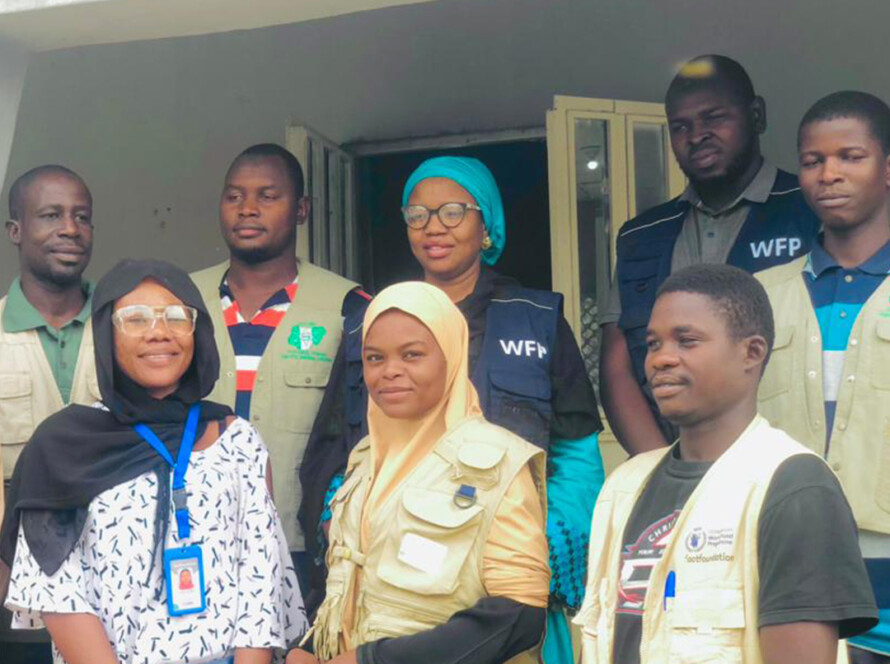
To enhance quality and transparency, FCDO commissioned Third-Party Monitoring (TPM) to independently verify program activities and ensure that its funded humanitarian assistance remains effective, inclusive, and responsive to local needs. As the operational lead of the consortium led TPM team, Fact Foundation was tasked with the on-site monitoring of the implementation of interventions delivered by key FCDO HARP partners, UNICEF, World Food Programme (WFP), and CARE International (CARE).
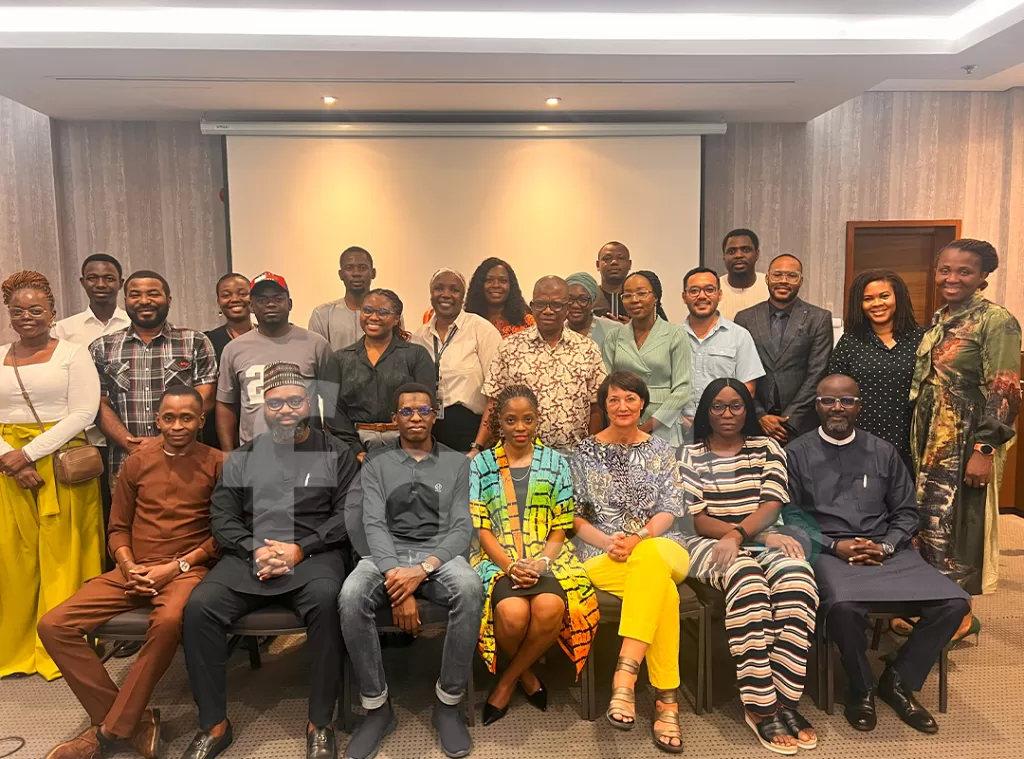
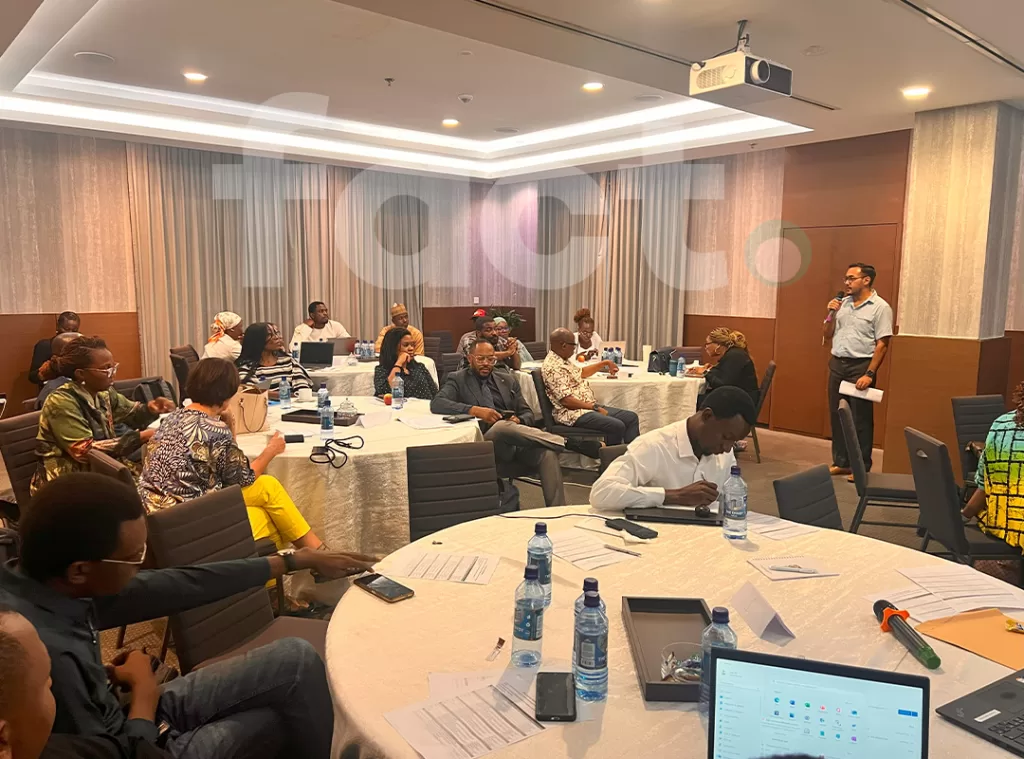
By centering its efforts on gathering the voices and realities of affected populations, Fact Foundation (FACT) played a pivotal role in designing and delivering community centered actionable insights aimed at improving coordination and decision making processes across the BAY states. Through the HARP TPM project, interventions funded by FCDO were not only found to be effective, but targeted and contextually responsive. HARP interventions were also seen to uphold the principles of dignity, transparency, and accountability. Thus, ensuring and enhancing that the vulnerable are reached amidst existing operational challenges.
Statement of Problem
Now entering its 16th year, the humanitarian crisis in NE Nigeria remains one of the world’s most prolonged and complex humanitarian emergencies. The ongoing conflict involving security forces and non-state armed groups continues to fuel widespread displacement, disrupt access to essential services, and expose many of the region’s population to protection risks. As of 2023, approximately 2.1 million people remain displaced across the BAY states[1], with many living in secondary or informal settlements following the closure of official camps[2]. These evolving dynamics have further strained humanitarian operations and deepened existing vulnerabilities.
The situation is further compounded by the persistent food insecurity[3], recurrent disease outbreaks, climate induced shocks such as flooding, drought and irregular rainfall patterns[4]. Health systems remain fragile or operationally non-existent, access to life saving services is limited particularly for women, children and persons living with disabilities (PLWDs) and older adults in hard to reach or insecure areas. In responses, FCDO funded partners such as UNICEF, WFP and CARE International to continue to provide critical interventions in nutrition, food assistance, protection and resilience building assistance across the BAY states[5].
However, despite ongoing support, the complex operational environment, compounded by insecurity, fluctuating access, and constrained funding, undermines visibility into program delivery outcomes. Limited capacity for real time verification and community feedback impairs efforts to ensure accountability, improve service delivery quality, and adaptive programming to rapidly changing needs[6]. It is within this context that the HARP TPM emerged as a crucial mechanism for the independent verification of FCDO HARP funded humanitarian activities. With the overarching aim of identifying implementation gaps, and providing timely, evidence-based insights to enhance coordination, transparency and responsiveness across the BAY states.
HARP TPM Focus
To strengthen transparency, learning, and accountability within the FCDO-funded HARP, TPM was deployed across BAY states. FACT led the independent monitoring of interventions implemented by UNICEF, WFP, and CARE International, delivering timely, field-based insights to improve program effectiveness and support adaptive decision-making.
Monitoring activities were tailored to each partner’s sectorial focus, using a layered monitoring approach that allowed for nuanced tracking of each implementing partner’s program performance. This included the systematic review of areas such as risk monitoring, adherence to Accountability to Affected Populations (AAP) principles, Safeguarding Against Sexual Exploitation, Abuse and Harassment (SEAH), anti-fraud mechanisms and access barriers particularly for vulnerable and marginalised groups.
FACT conducted quarterly data collection activities through three major field components designed to provide comprehensive monitoring insights. The first , Light-Touch Verification (LTV) was a quantitative beneficiary facing assessment focused on verifying aid distribution activities carried out by implementing partners. It involved direct interviews with beneficiaries to determine whether they received the appropriate assistance as intended. The second component, Risk Monitoring (RM) adopted a qualitative approach, gathering information through Focus Group Discussions (FGDs) and Key Informant Interviews (KIIs) with community stakeholders, beneficiaries, volunteers and aid workers. This exercise explored potential and emerging risks associated with program delivery, protection and community dynamics. The third component, Flash Reporting, functioned as a rapid response mechanism to identify and document instances of fraud, misconduct, and safeguarding concerns. These reports were triggered by on-site observations by the FACT field team or disclosures from community members, beneficiaries, volunteers and community based aid workers/staff. Collectively, these three components ensured that FACT’s monitoring approach was not only robust and multi-dimensional but also grounded in the lived experiences of those directly impacted by the humanitarian interventions.
Community perspectives were central to the TPM process, field teams carried out beneficiary interviews, FGDs, KIIs and debrief sessions to capture direct feedback and lived experiences. These were consolidated into regular reports, interactive dashboards, and learning briefs shared with both FCDO and implementing partners for review, input and subsequent adaptation into their programming. Through the integrated approach, FACT not only verified the delivery of aid but also ensured that humanitarian programming of the implementing partners was continuously informed by the voices, perspectives and needs of the affected communities. Thus , reinforcing trust, ownership and accountability across the FCDO funded response.
Role of FACT
FACT served as the TPM partner for the FCDO funded HARPin NE Nigeria, supporting oversight and learning across the BAY states. As the operational lead, FACT’s main objective was to conduct independent and neutral monitoring of implementing partners UNICEF, WFP and CARE International ensuring that programme activities were identified with beneficiary needs and were delivered transparently, effectively and with accountability. In this capacity, FACT not only verified aid delivery but also promoted continuous learning by identifying gaps, good practices, and opportunities for improvement within the wider humanitarian response.
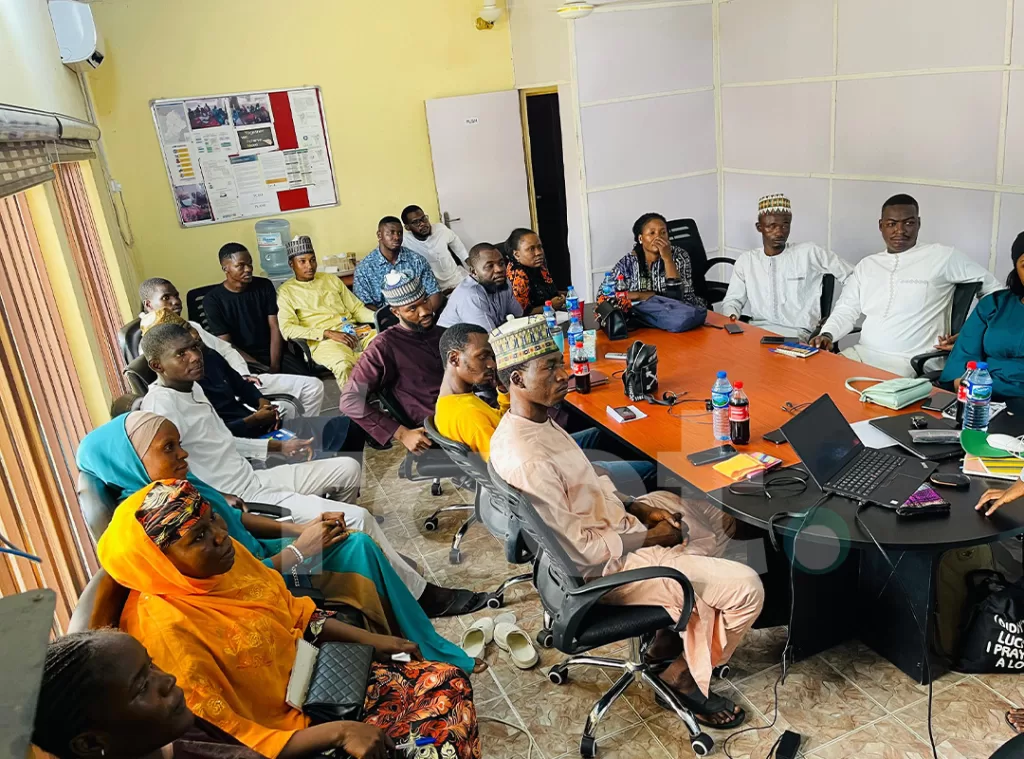
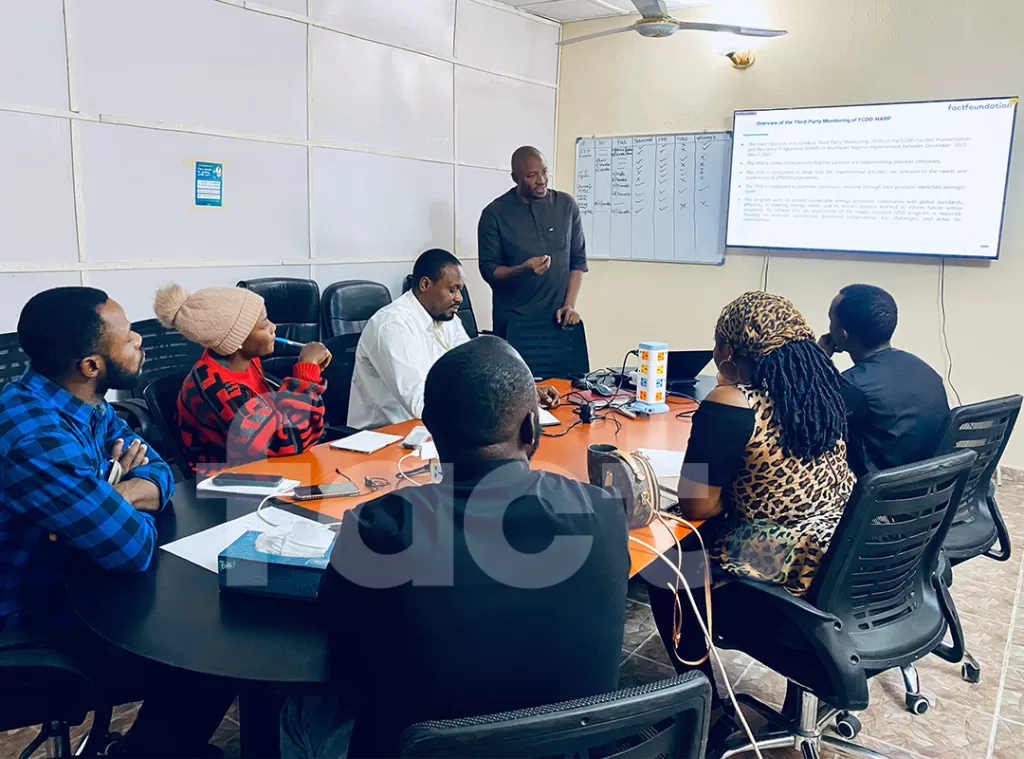
FACT deployed trained field teams to execute structured monitoring activities guided by FCDO’s Terms of Reference (ToRs), generating real-time, actionable data to support adaptive decision making. These activities included LTV, which assessed the reach and outcomes of programme interventions, RM which captured protection concerns and operational challenges through community-based qualitative feedback. Flash reporting further complements this by enabling the rapid identification and documentation of incidents reported by community members, beneficiaries and workers.
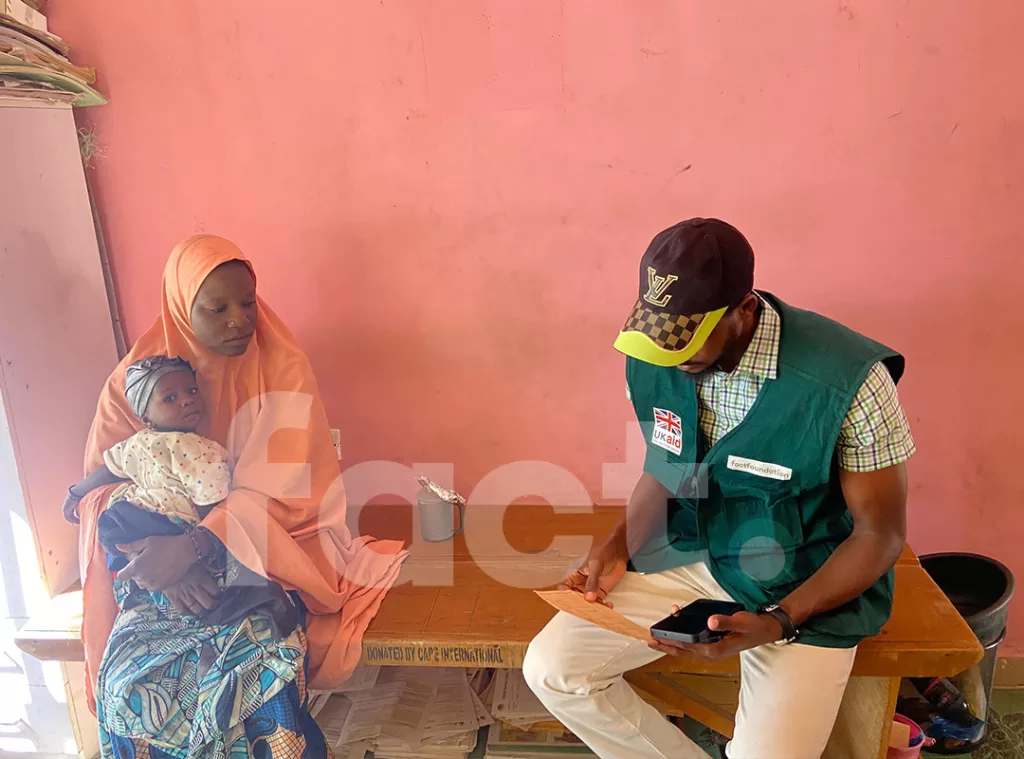
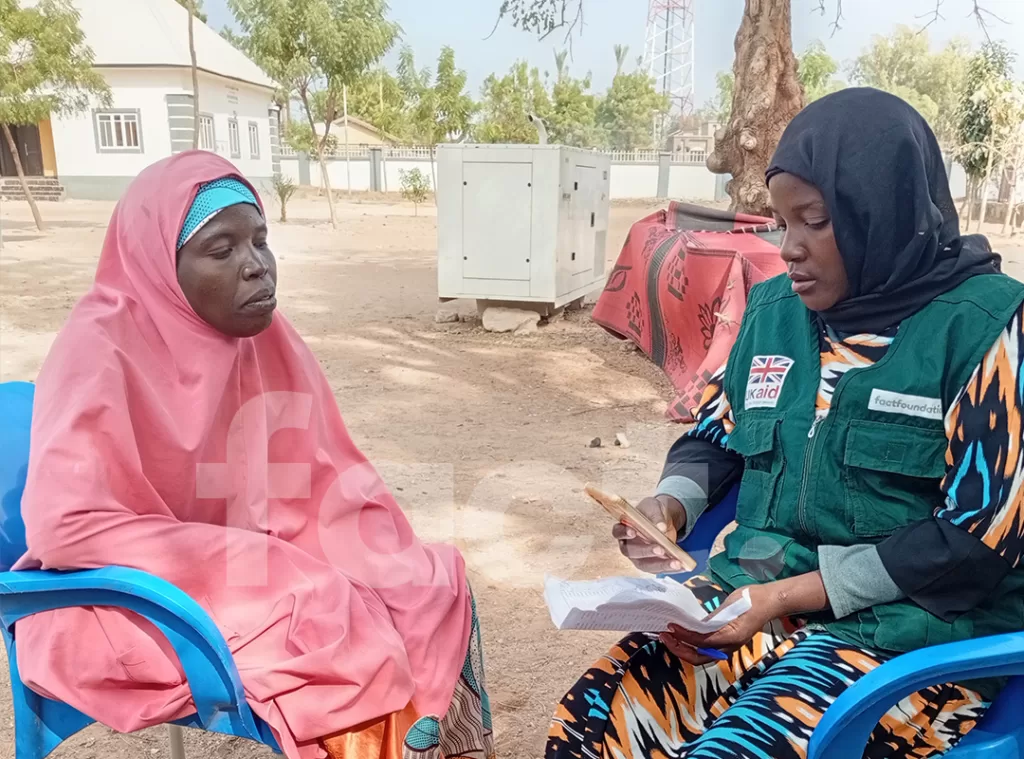
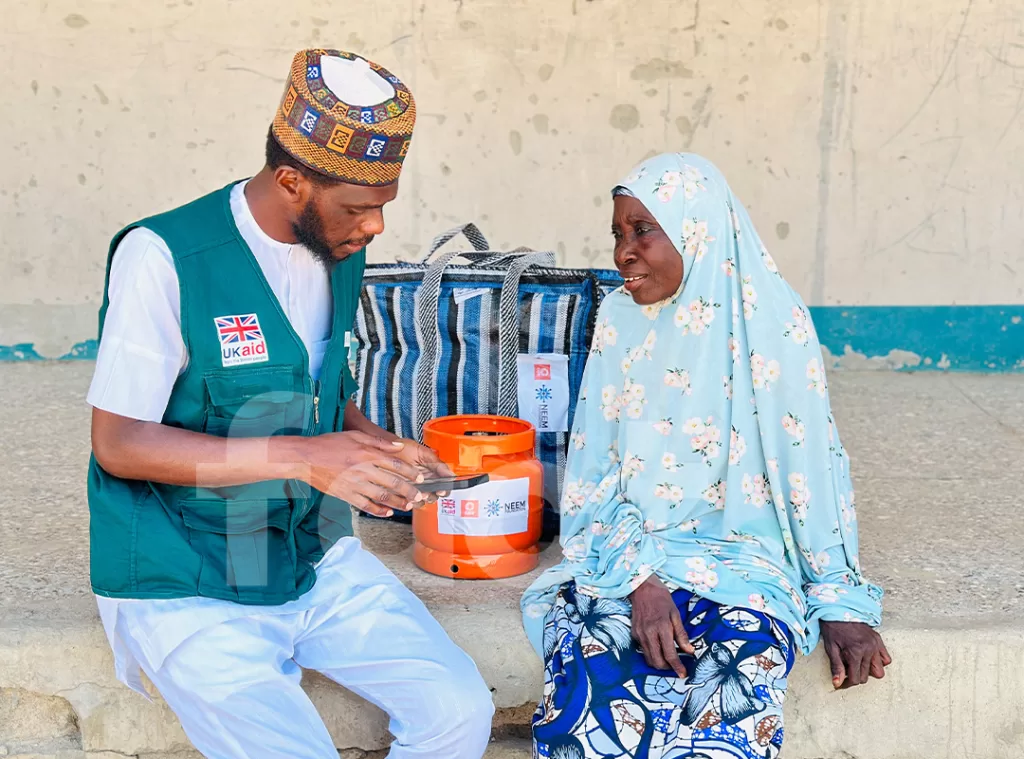
A central pillar of FACT’s TPM mandate was the integration of AAP. monitoring tools were adapted to capture community feedback on targeting, awareness of entitlements and access to complaints and feedback mechanisms. While many respondents acknowledged improvements in transparency and engagement, others cited gaps in sensitization and grievance redress. Based on these insights, FACT provided partners with targeted recommendations such as enhancing pre-distribution communication, improving community outreach and formalizing and familiarising communities with feedback systems. This people centred approach helped implementing partners to fine tune their programmes and ensured that TPM served not merely as a compliance tool but a vehicle for inclusive and responsive humanitarian action. FACT was specifically responsible for all field/data collection related activities that focused on monitoring, verification and validation.
These activities include;
| Activity 1 Risk Monitoring (Rounds 1 and 2) | Conducted secondary data review on contextual and programmatic risks across targeted LGAs in the BAY states. Identified and engaged KIs, stakeholders and relevant volunteers. Carried out KIIs and FGDs to understand perceived risks, triggers, and mitigation strategies from community perspectives. Translated and Transcribed all KIIs and FGDs from the local dialect and presented the technical lead with clear and formalized findings for reporting and programmatic reflection. Held validation sessions with Implementing Partners to review and refine identified risks and highlight missing or emerging concerns. |
| Activity 2 Light Touch Verification (Rounds 1, 2, and 3) | Conducted three (3) rounds of rapid, quantitative data collection using simple random or cluster sampling techniques across all LGAs in the BAY states where HARP was being implemented. Assessed beneficiary experiences, service delivery, access and awareness of entitlements. Provided independent verification of aid distribution and program implementation. |
| Activity 4 Learning Workshops (Round 1 and 2 and Closeout) | Participated in two (2) joint learning sharing workshops with FCDO and Implementing partners to reflect on findings and promote adaptive learning. Participated in the final closeout workshop summarizing insights, good practices, and key action points for future programming. |
Round 1 and 3 Risk Monitoring
A total of 12 KI interviews (6 per state), and 8 focus group discussions (FGDs) with direct beneficiaries (4 per state) across Borno and Yobe states for UNICEF and WFP, while Care International was monitored across the three BAY states.
Impact metrics (Infographics)
The project spanned one year:
Fact Foundation conducted Third party Monitoring (TPM) across Borno, Yobe, and Adamawa states, engaging a total of 1,066 beneficiaries:
Round 1 Light Touch Verification (13th to 25th June 2024)
A total of 2,653 beneficiaries across the three BAY states:
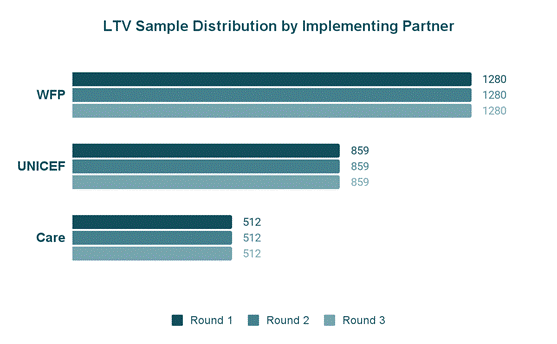
- UNICEF: 859 beneficiaries were surveyed in Borno (428) and Yobe (431). Data collection was supported by lists of health facilities and beneficiary distribution provided by UNICEF per LGA.
- WFP: 1,280 beneficiaries were reached in Borno (431) and Yobe (420), specifically covering the LGAs of Bama, Dikwa, Gwoza, Kala/Balge, Mafa, and Ngala (Borno) Geidam, Gujba, Yunusari, and Yusufari (Yobe).
- CARE International: 512 beneficiaries were surveyed across Adamawa (93), Borno (196), and Yobe (225), all of whom had received assistance within the four weeks prior to data collection. A total of 206 valid interviews were recorded between 21 January to 11 February 2025.
Round 1 Risk Monitoring (26th June to 14th July 2024)
- WFP: A total of 12 KI interviews (6 per state), and 8 focus group discussions (FGDs) with direct beneficiaries (4 per state) across Borno and Yobe states to map out any emerging, ongoing, or reducing risk related to the operational context, safeguarding, impact of activities, and finance/fraud. In each state, two Local Government Areas (LGAs) with the highest number of direct beneficiaries were selected to conduct the FGDs and KIIs. In each selected LGA, 3KIIs were conducted with a local authority (such as a community leader, council chief or camp leader), a women’s representative, and a youth representative. Whereas FGD were conducted with female and male beneficiaries.
- UNICEF: A total of 12 KI interviews (6 per state), and 8 focus group discussions (FGDs) with direct beneficiaries (4 per state) across Borno and Yobe states to map out any emerging, ongoing, or reducing risk related to the operational context, safeguarding, impact of activities, and finance/fraud. In each state, two Local Government Areas (LGAs) with the highest number of direct beneficiaries were selected to conduct the FGDs and KIIs. In each selected LGA, 3KIIs were conducted with a local authority (such as a community leader, council chief or camp leader), a women’s representative, and a youth representative. Whereas FGD were conducted with female and male beneficiaries.
- CARE International: A total of 18 KI interviews (6 per state), and 12 focus group discussions (FGDs) with direct beneficiaries (4 per state) across Borno, Adamawa, and Yobe states to map out any emerging, ongoing, or reducing risk related to the operational context, safeguarding, impact of activities, and finance/fraud. In each state, two Local Government Areas (LGAs) with the highest number of direct beneficiaries were selected to conduct the FGDs and KIIs. In each selected LGA, 3 KIIs were conducted with a local authority (such as a community leader, council chief or camp leader), a women’s representative, and a youth representative. Whereas FGD were conducted with female and male beneficiaries.
Round 2 Light Touch Verification (12th to 30th November 2024)
A total of 2,653 beneficiaries across the three BAY states:
- UNICEF: 859 beneficiaries were surveyed in Borno (428), Yobe (431). Data collection was supported by lists of health facilities and beneficiary distribution provided by UNICEF per LGA.
- WFP: 1,280 beneficiaries were reached in Borno (431) and Yobe (420), specifically covering the LGAs of Bama, Dikwa, Gwoza, Kala/Balge, Mafa, and Ngala (Borno) Geidam, Gujba, Yunusari, and Yusufari (Yobe).
- CARE International: 512 beneficiaries were surveyed across Adamawa (93), Borno (196), and Yobe (225), all of whom had received assistance within the four weeks prior to data collection. A total of 206 valid interviews were recorded between 21 January to 11 February 2025.
Round 3 Light Touch Verification (21st January to 19th February 2025)
A total of 2,653 beneficiaries across the three BAY states:
- UNICEF: 859 beneficiaries were surveyed in Borno (428), and Yobe (431). Data collection was supported by lists of health facilities and beneficiary distribution provided by UNICEF per LGA.
- WFP: 1,280 beneficiaries were reached in Adamawa(429), Borno (431) and Yobe (420), specifically covering the LGAs of Bama, Dikwa, Gwoza, Kala/Balge, Mafa, and Ngala (Borno) Geidam, Gujba, Yunusari, and Yusufari (Yobe). Madagali and Micika LGAs (Adamawa)
- CARE International: 512 beneficiaries were surveyed across Adamawa (93), Borno (196), and Yobe (225), all of whom had received assistance within the four weeks prior to data collection. A total of 206 valid interviews were recorded between 21 January to 11 February 2025.
Round 3 Risk Monitoring (2nd to 29th December 2024)
- WFP: total of 12 KI interviews (6 per state), and 8 focus group discussions (FGDs) with direct beneficiaries (4 per state) across Borno and Yobe states to map out any emerging, ongoing, or reducing risk related to the operational context, safeguarding, impact of activities, and finance/fraud. In each state, two Local Government Areas (LGAs) with the highest number of direct beneficiaries were selected to conduct the FGDs and KIIs. In each selected LGA, 3KIIs were conducted with a local authority (such as a community leader, council chief or camp leader), a women’s representative, and a youth representative. Whereas FGD were conducted with female and male beneficiaries.
- UNICEF: A total of 12 KI interviews (6 per state), and 8 focus group discussions (FGDs) with direct beneficiaries (4 per state) across Borno and Yobe states to map out any emerging, ongoing, or reducing risk related to the operational context, safeguarding, impact of activities, and finance/fraud. In each state, two Local Government Areas (LGAs) with the highest number of direct beneficiaries were selected to conduct the FGDs and KIIs. In each selected LGA, 3KIIs were conducted with a local authority (such as a community leader, council chief or camp leader), a women’s representative, and a youth representative. Whereas FGD were conducted with female and male beneficiaries.
- CARE International: A total of 18 KI interviews (6 per state), and 12 focus group discussions (FGDs) with direct beneficiaries (4 per state) across Borno, Adamawa, and Yobe states to map out any emerging, ongoing, or reducing risk related to the operational context, safeguarding, impact of activities, and finance/fraud. In each state, two Local Government Areas (LGAs) with the highest number of direct beneficiaries were selected to conduct the FGDs and KIIs. In each selected LGA, 3 KIIs were conducted with a local authority (such as a community leader, council chief or camp leader), a women’s representative, and a youth representative. Whereas FGD were conducted with female and male beneficiaries.
Conclusion
By the end of the project, Fact Foundation effectively implemented TPM across more than 30 LGAs in the BAY states, covering all assigned implementation areas for UNICEF, WFP, and CARE International. Across multiple rounds, the TPM team completed LTV, RM, and Flash Reporting, gathering both quantitative and qualitative data across key sectors such as nutrition, food security, livelihood and protection.
These activities, conducted in line with FCDOs ToRs, in 4, 000 structured engagements community members, aid recipients, and frontline workers through structured surveys, FGDs , and KIIs. The evidence generated was synthesized into interactive dashboards, reports, and joint learning sessions that directly informed adaptive programming and strengthened decision-making processes.
The successful execution of the HARP TPM reflects the critical value of independent, community centred monitoring in fragile contexts. It highlights how neutral evidence-based feedback loops can reinforce accountability, enhance transparency, and improve the quality and responsiveness of humanitarian interventions in NE’s most challenging operational communities.
[1] IOM Displacement Tracking Matrix (DTM) Nigeria Report, Round 45 (2023)
[2] OCHA Nigeria Humanitarian Bulletin, December 2023
[3] Cadre Harmonise Analysis, March 2024-Nigeria.
[4] Nigeria Climate Risk Country Profile (World Bank/USAID, 2024)
[5] FCDO HARP TPM Partner Reports, (2023)
[6] Nigeria Humanitarian Needs Overview (HNO), 2024